Energy Balance
Calorie Awareness and the Weekly Rhythm of Eating
Eleanor Whitfield · 5 March 2026 · 10 min read

Food quality over quantity is a recurring finding in longitudinal dietary research. What the body registers over years of whole food consumption, and why processed alternatives shift that register, offers one of the clearest lenses through which the long pattern of weight can be understood.
The term whole food resists precise definition but functions usefully as a directional category. In nutritional research literature it typically refers to foods that have undergone minimal processing: their constituent parts — fibre, water, protein, fat, micronutrients — remain largely intact and in proportions close to their natural occurrence. A potato is a whole food; potato crisps are not. A whole grain oat is a whole food; a sweetened instant porridge product is not.
The NOVA food classification system, developed by researchers at the University of São Paulo, has provided a framework that the research community has adopted increasingly widely since its 2009 publication. Its four-tier classification — from minimally processed foods to ultra-processed food products — has enabled large-scale cohort studies to examine dietary patterns at a level of detail that was previously unavailable.
What these studies have found, with substantial consistency across different populations and geographies, is that higher consumption of ultra-processed foods is associated with higher body weight, independent of caloric intake. This independence is the finding that has generated most editorial and scientific discussion: it suggests that something about the composition or the nature of processed foods affects weight beyond their energy content.
The carbohydrate role in weight has been a site of enduring popular controversy. Low-carbohydrate dietary patterns have been widely promoted in consumer health media, occasionally with justification from research evidence, more frequently extrapolating beyond it. The research record itself is more nuanced than either advocate or sceptic typically acknowledges.
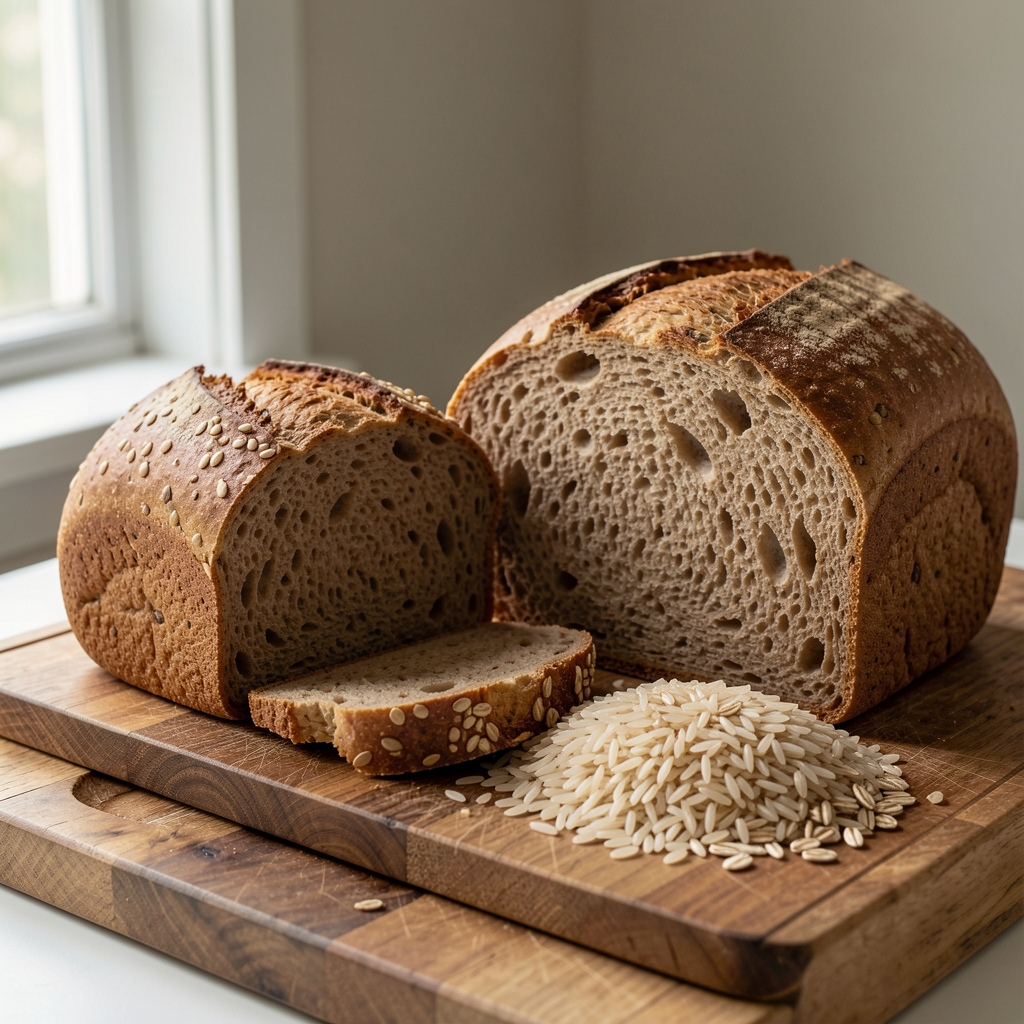
What the evidence consistently supports is not a case against carbohydrates as a category but against refined carbohydrates specifically. Refined grains — white bread, white rice, white pasta — have been stripped of fibre and many micronutrients in processing. Their rapid absorption produces acute changes in blood glucose, which in turn affect appetite regulation and, over time, body fat storage patterns.
Whole grain carbohydrates tell a different story. Multiple prospective cohort studies have found associations between higher whole grain consumption and lower body weight over time. Whole grain benefits in this context flow from fibre content, slower carbohydrate absorption, and the greater satiety that whole grain foods tend to produce. The research position, expressed in nutritional guidance documents from the UK, the US, and the WHO, consistently supports replacing refined grain with whole grain — not eliminating grain as a food category.
Fat intake and body composition share a relationship that nutritional science has revised substantially since the low-fat dietary era of the 1980s and 1990s. The original hypothesis — that dietary fat, being calorie-dense, would directly translate to body fat accumulation — was not supported by the specialist evidence that accumulated in subsequent decades. Low-fat diets did not produce the weight outcomes that theory predicted.
The more granular finding that has replaced it is that the type and source of fat matters more than the quantity. The Mediterranean dietary pattern, which includes substantial fat from olive oil, nuts, and fish, is associated in cohort studies with lower rates of excess weight gain and better cardiovascular outcomes than low-fat dietary patterns. This is not a paradox when fat source is considered: the fats in whole food sources arrive with fibre, protein, and phytonutrients, in food matrices that affect how they are digested and how they interact with appetite signalling.
Plant-based eating patterns, which have received increasing editorial attention in nutritional research publications, tend to be naturally lower in saturated fat and higher in the polyunsaturated and monounsaturated varieties associated with favourable body composition outcomes. The association is not causal in the simple sense — it operates through a web of related dietary variables — but the directional signal in the data is consistent.
"The research case is not against any single food or macronutrient category. It is against the removal, through processing, of the constituents that allow food to signal the body properly."
— Harriet Linwood, Folen Quarterly
Sugar and weight management sit in complex territory. Free sugars — those added to food during processing, or present naturally in fruit juices and syrups — have been clearly associated with weight gain in controlled feeding studies and in prospective cohort data. The mechanism involves both direct energy loading and the disruption of appetite signalling: liquid sugar in particular appears to bypass satiety pathways that solid food activates.
Whole fruit, by contrast, has not been associated with weight gain in the population studies that have examined it. The sugar in an apple arrives packaged with fibre, water, and a physical structure that slows consumption and digestion. This is the whole food matrix distinction again: the same constituent, sugar, behaves differently depending on the food structure it inhabits.
The practical implication, consistently supported across dietary guidelines in the UK and internationally, is to reduce free sugar — from sweetened beverages, confectionery, and processed foods — while maintaining whole fruit consumption. This is not a counsel of prohibition but of source awareness. Where the sugar originates, and what it comes with, determines how the body processes and responds to it.
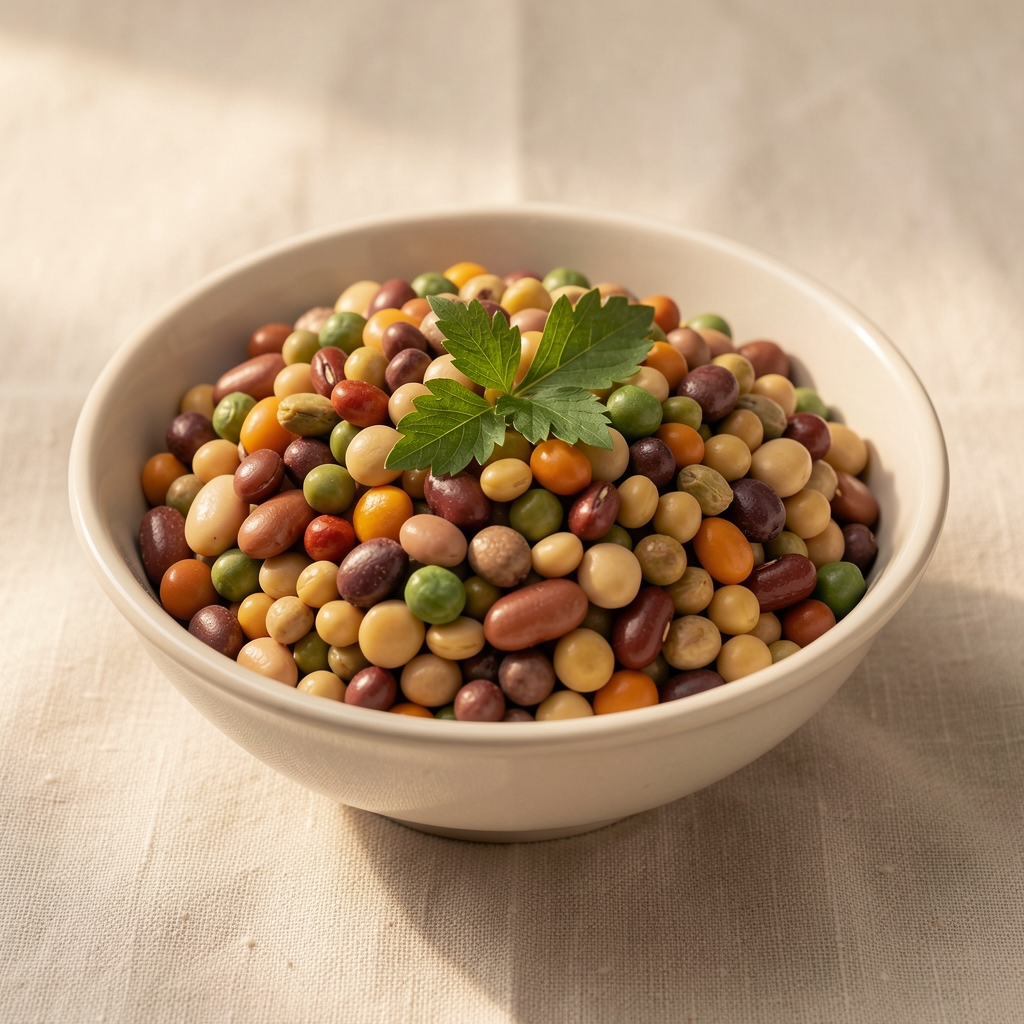
Plant-based eating patterns have accumulated a substantial body of supporting evidence over the past decade. The term covers a wide range of actual dietary approaches — from fully vegan diets to those that are predominantly plant-based while including modest amounts of animal products. What most of them have in common is higher dietary fibre, lower saturated fat, greater vegetable and legume consumption, and lower overall energy density.
Studies comparing weight outcomes across dietary pattern types have generally found that plant-based dietary patterns are associated with lower average body mass index than omnivorous patterns, even when calorie intake is not specifically controlled. This is consistent with the satiety research: plant-based foods, by virtue of their fibre and water content, tend to produce greater volume for equivalent energy, engaging gastric satiety signals that calorie-for-calorie comparisons miss.
This is not an editorial argument for any specific dietary pattern. The evidence supports the general direction of more plant-based eating rather than prescribing a precise approach. It is also worth noting that plant-based dietary quality varies considerably: a diet composed largely of plant-based ultra-processed products would not share the characteristics that give minimally processed plant-based diets their documented associations.
The through-line of this article, as with the two preceding it in this series, is that the form of food matters as much as its category. Whole, minimally processed foods — whatever their macronutrient composition — engage the body's natural regulatory systems more completely than their processed equivalents. That engagement, sustained across years of eating, is what the evidence shows most clearly when the long pattern of weight is examined.

Harriet Linwood contributes to Folen Quarterly as a guest writer, focusing on food system analysis, dietary pattern research, and the environmental and social dimensions of eating. This article is her third piece in the publication's food quality series.
Continue reading in the archive →